Fun & Easy At-Home Activities to Boost Your Child’s Letters, Numbers, and Colors Skills
Discover fun and easy at-home activities to help kids ages 2–7 learn letters, numbers, and colors through play. Boost early learning skills, creativity, and confidence in a simple, engaging way.
EARLY CHILDHOOD EDUCATION
by Kiddos Creative
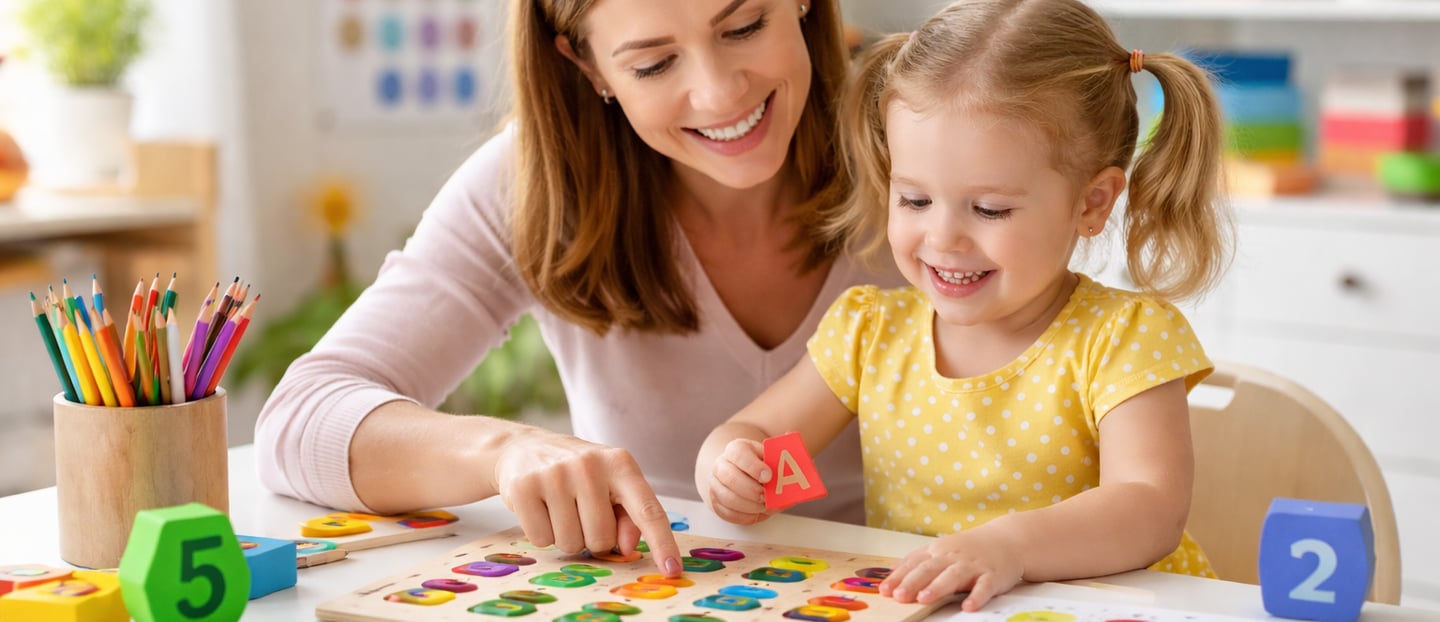
Learning doesn’t have to happen only in the classroom. In fact, some of the best learning moments happen right at home through play, creativity, and everyday activities.
For kids ages 2–7, building skills in letters, numbers, and colors is most effective when it feels fun and natural. The good news? You don’t need expensive materials or complicated plans to help your child succeed.
At Kiddos Creative, we believe that simple play-based activities can create powerful learning experiences. Here are fun and easy ways to boost your child’s early learning skills right at home.
Why At-Home Learning Matters
Children learn best when they feel comfortable, relaxed, and engaged. At-home activities:
Reinforce what they learn in school
Build confidence through repetition
Strengthen parent-child bonding
Turn everyday moments into learning opportunities
1. Letter Learning Made Fun
Alphabet Hunt Game
Hide foam letters or write letters on paper and place them around the house. Ask your child to find a specific letter.
Example: “Can you find the letter A?”
Letter Art
Let your child decorate letters using crayons, stickers, or paint. This helps them recognize shapes and remember letters better.
Story Time with Letters
While reading books, point out letters and ask your child to identify them.
Skills Developed: letter recognition, phonics awareness, early reading
2. Making Numbers Easy and Exciting
Count Everyday Objects
Count toys, fruits, steps, or even fingers. Simple counting builds strong number foundations.
Number Matching Game
Match numbers with objects (e.g., number 3 with three blocks).
Snack Time Math
Use snacks to teach counting, adding, or subtracting in a fun way.
Example: “You have 2 cookies. If I give you 1 more, how many do you have?”
Skills Developed: counting, number recognition, basic math skills
3. Exploring Colors Through Play
Color Sorting Game
Group toys or objects by color: red, blue, yellow, and more.
Rainbow Art Activity
Encourage your child to draw or paint rainbows while naming each color.
Color Hunt
Ask your child to find items around the house in a specific color.
Example: “Can you find something blue?”
Skills Developed: color recognition, visual learning, creativity
4. Combine Learning with Imagination
Children love magical worlds and you can use that to your advantage!
Unicorns can help teach colors (rainbow themes)
Dragons can guard “letter treasures”
Mermaids can count seashells
Dinosaurs can stomp and count steps
Imaginative play makes learning more exciting and memorable.
5. Keep It Simple and Consistent
You don’t need long sessions. Just 10–15 minutes a day can make a big difference.
Tips for Success:
Keep activities short and fun
Celebrate small wins
Be patient and encouraging
Follow your child’s interests
How Our Workbooks Make Learning Even Easier
At Kiddos Creative, our workbooks are designed to support these exact skills through fun, engaging, and interactive activities.
With “I Spy” games, your child will:
Learn letters, numbers, and colors
Build confidence
Enjoy every moment of learning
Final Thoughts
Teaching your child doesn’t require perfection just presence, creativity, and a little bit of play.
With these fun and easy at-home activities, you can turn everyday moments into meaningful learning experiences that help your child grow smarter, more confident, and ready for the future.
Remember: The best learning happens when kids are having fun.
© 2026. All rights reserved.