Why Early Learning Through Play Builds Smarter, Happier Kids
Discover why learning through play is essential for kids ages 2–7. Boost early literacy, math skills, creativity, and confidence with fun, engaging activities designed to help children grow smarter and happier.
EARLY CHILDHOOD EDUCATION
by Kiddos Creative
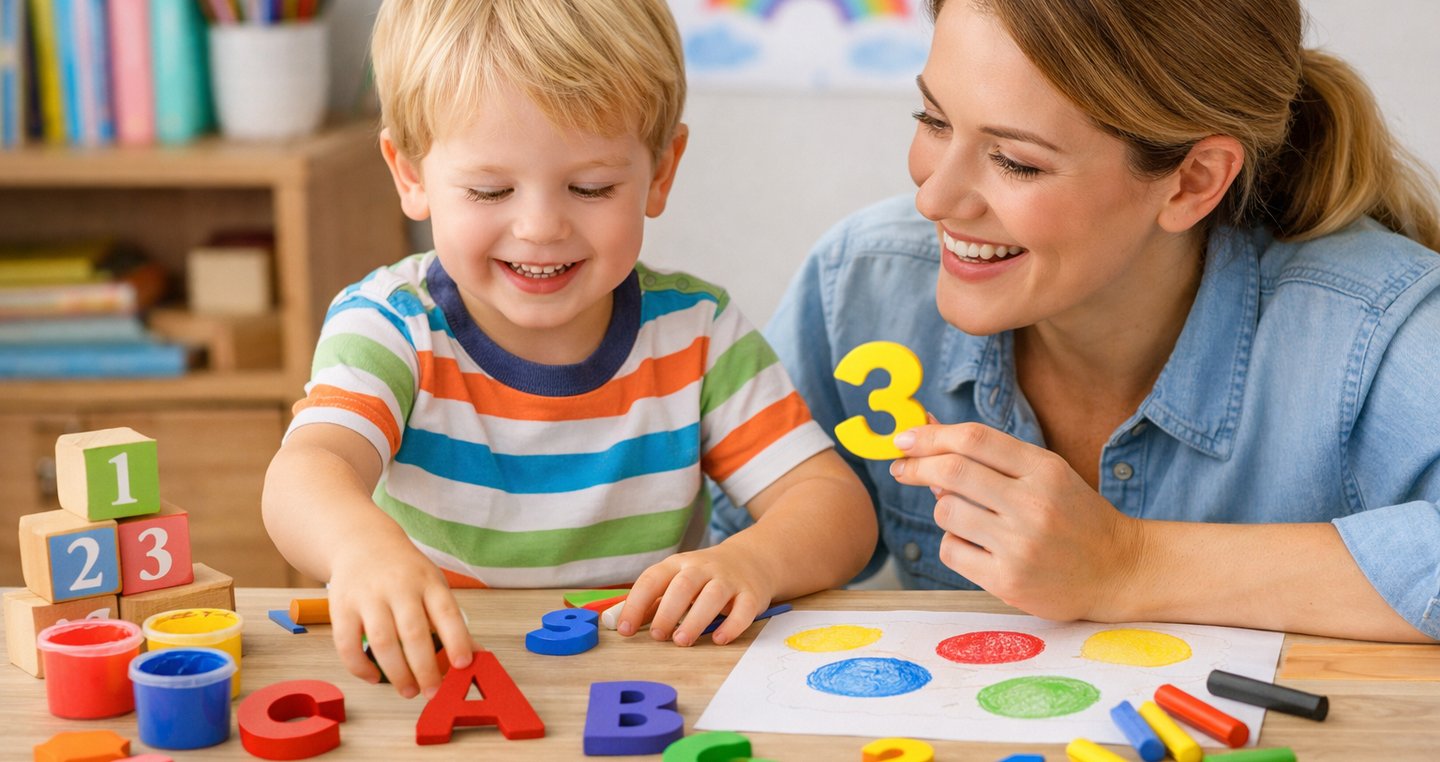
When it comes to early childhood education, one simple truth stands out: children learn best through play. For kids ages 2–7, play isn’t just fun, it’s a powerful tool that builds the foundation for lifelong learning, confidence, and creativity.
At Kiddos Creative, we believe learning should feel like an adventure filled with imagination, color, and joy. Let’s explore why play-based learning is so effective and how you can use it to help your child grow smarter and happier every day.
What Is Play-Based Learning?
Play-based learning is a method of teaching where children explore, discover, and understand the world through fun and engaging activities. Instead of memorizing facts, kids learn naturally through games, storytelling, drawing, and hands-on experiences.
This approach supports key developmental areas, including:
Early literacy (letters and sounds)
Basic math skills (numbers and counting)
Creativity and imagination
Social and emotional development
Why Learning Through Play Works
1. Boosts Brain Development
During play, children actively use their brains to solve problems, make decisions, and explore new ideas. Activities like puzzles, matching games, and “I Spy” challenges strengthen memory, focus, and critical thinking skills.
2. Builds a Love for Learning
When learning feels like fun, children become naturally curious and excited to explore more. This positive association helps them develop a lifelong love for learning without pressure or stress.
3. Improves Social and Emotional Skills
Play teaches children how to share, take turns, express emotions, and interact with others. Whether they’re pretending to be a fairy, building with blocks, or playing with friends, they are learning important life skills.
4. Encourages Creativity and Imagination
From magical unicorns to friendly dragons, imaginative play allows children to think outside the box. This creativity is essential for problem-solving, storytelling, and self-expression.
5. Strengthens Early Academic Skills
Play-based activities can easily introduce:
Letters through alphabet games
Numbers through counting and sorting
Colors through matching and drawing
These skills are the building blocks for reading, writing, and math success.
Easy Ways to Encourage Learning Through Play at Home
You don’t need fancy tools or complicated plans. Simple, everyday activities can make a big impact:
Play matching or “I Spy” games with letters and colors
Let your child draw, color, and create freely
Read storybooks together and ask fun questions
Count toys, snacks, or steps during daily routines
Use imaginative themes like dinosaurs, mermaids, and dragons to keep learning exciting
How Our Workbooks Support Play-Based Learning
At Kiddos Creative Publishing, our workbooks are designed to combine education + imagination. Each page is filled with playful activities that help children learn while having fun.
From spotting letters and numbers to exploring magical characters, our books turn learning into an enjoyable journey, not a chore.
Final Thoughts
Early learning doesn’t have to be strict or stressful. In fact, the more fun it is, the more effective it becomes.
By encouraging learning through play, you’re not just teaching your child letters, numbers, and colors, you’re helping them grow into confident, curious, and happy learners.
Remember: Play is not a break from learning—it is learning.
© 2026. All rights reserved.